Tools & Equipment
If you are brand new and don’t know where to start, I’ve created a list of equipment and tools you will need to get going in this hobby. These items are ideal for mead, wine and cider – and can be used for beer as well (At least, I have brewed in buckets and glass, though most beer brewers prefer stainless).
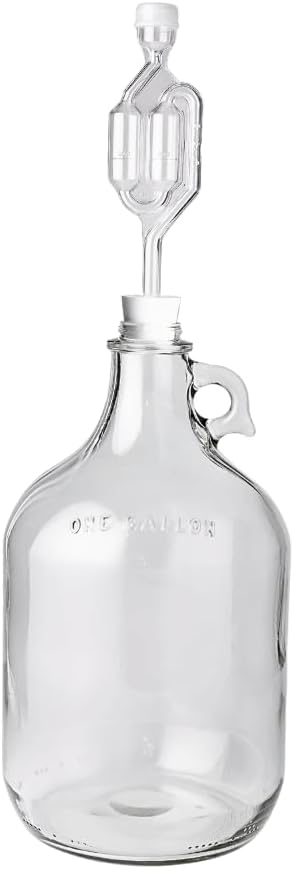
1 Gallon Carboy set up: Glass carboy with bung and airlock. Perfect vessel for fermenting and aging your brew (would not recommend adding whole fruit) due to the tapered neck that limits the amount of air contact.
https://amzn.to/40BnVve
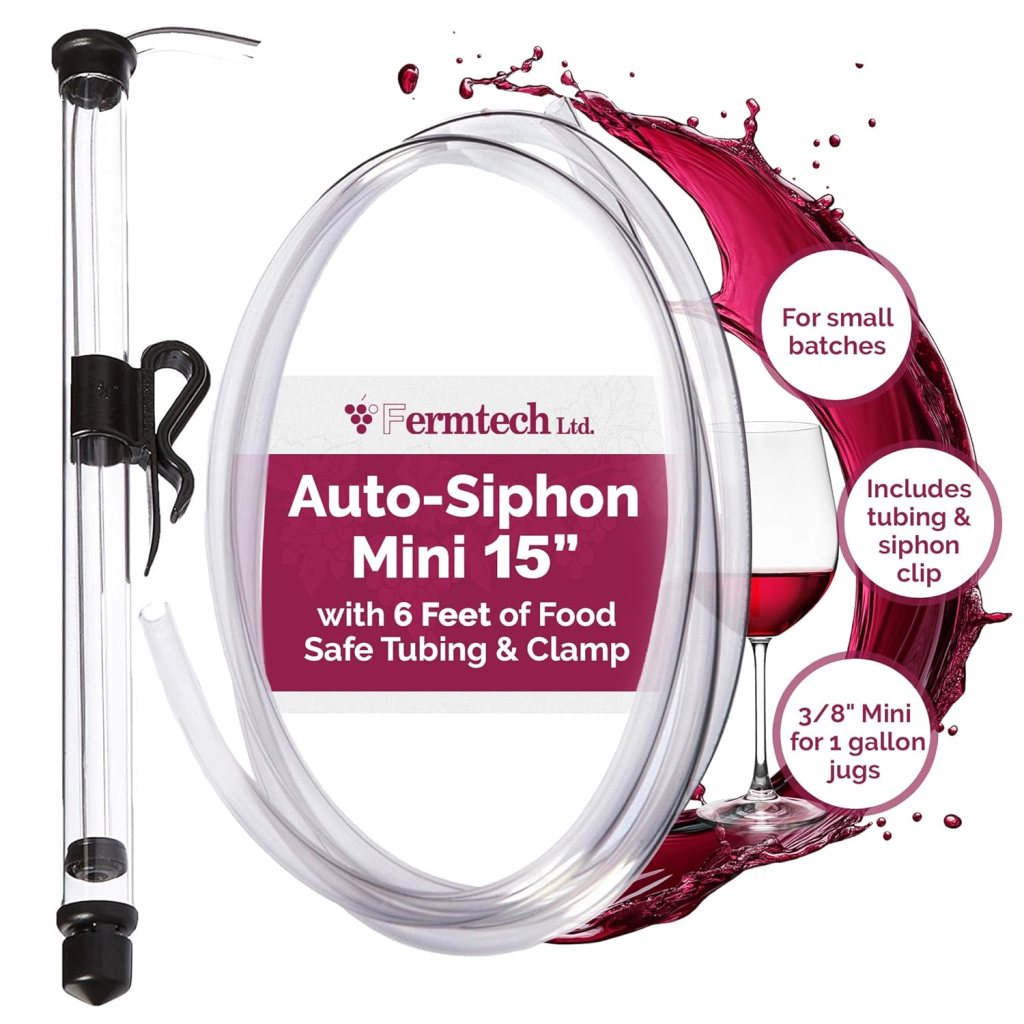
Racking Cane with Clip for 1 Gallon Carboy: Racking canes make the transfer of your brew so easy, and assists in limiting air contact and liquid agitation. Also good for the 2 gallon bucket, if you are using larger vessels however, I would recommend a larger kit.
https://amzn.to/40AHuUx
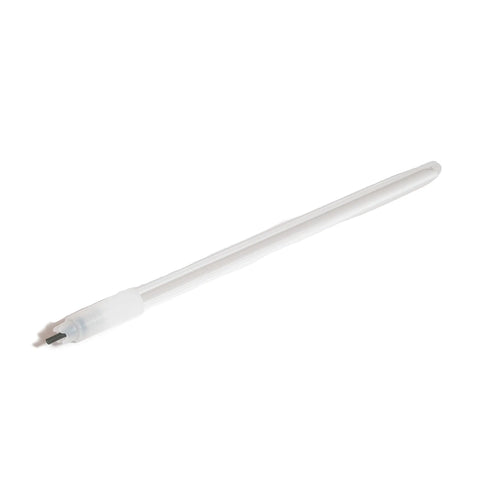
Bottling Wand: Attach to the other end of the tube on your racking cane for easy bottling. Push down and liquid is released, when you pull up the flow is paused.
https://amzn.to/3WkcSE0
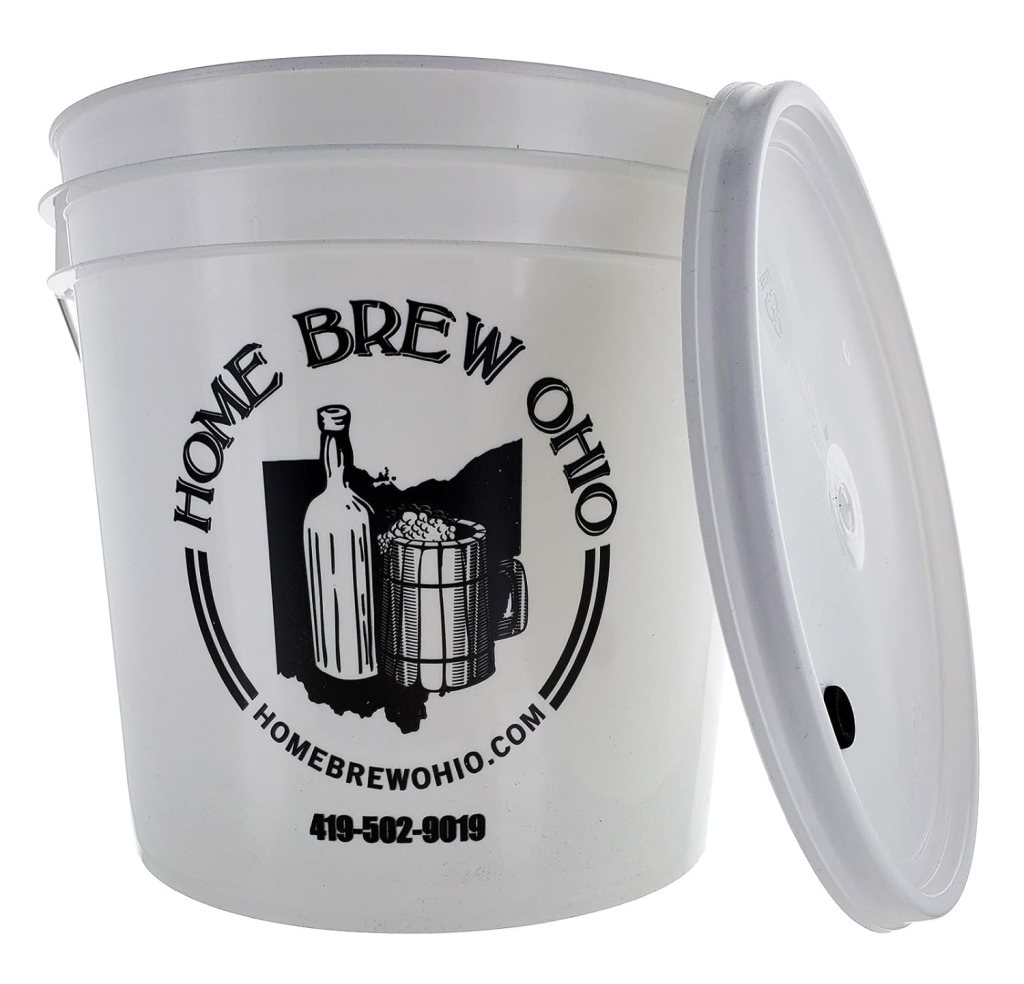
2 Gallon Brewing Bucket: Excellent if you want to add fruit or other adjuncts to your brew during primary or secondary. Some folks only use plastic buckets, would not recommend for long term aging due to air contact and seal on lid.
https://amzn.to/40kG5A1
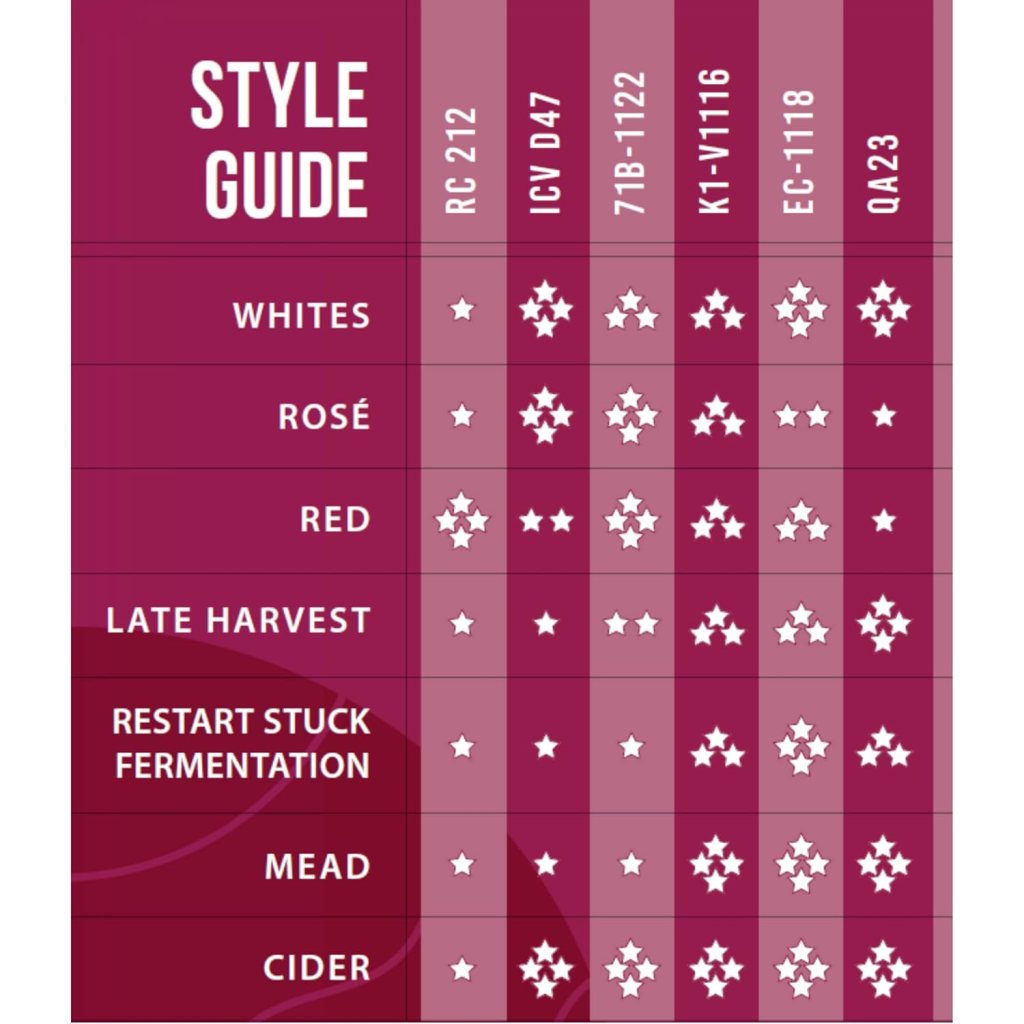
Lalvin Yeast: Recommended for most meads and wines depending on style.
https://amzn.to/4gTz1l1
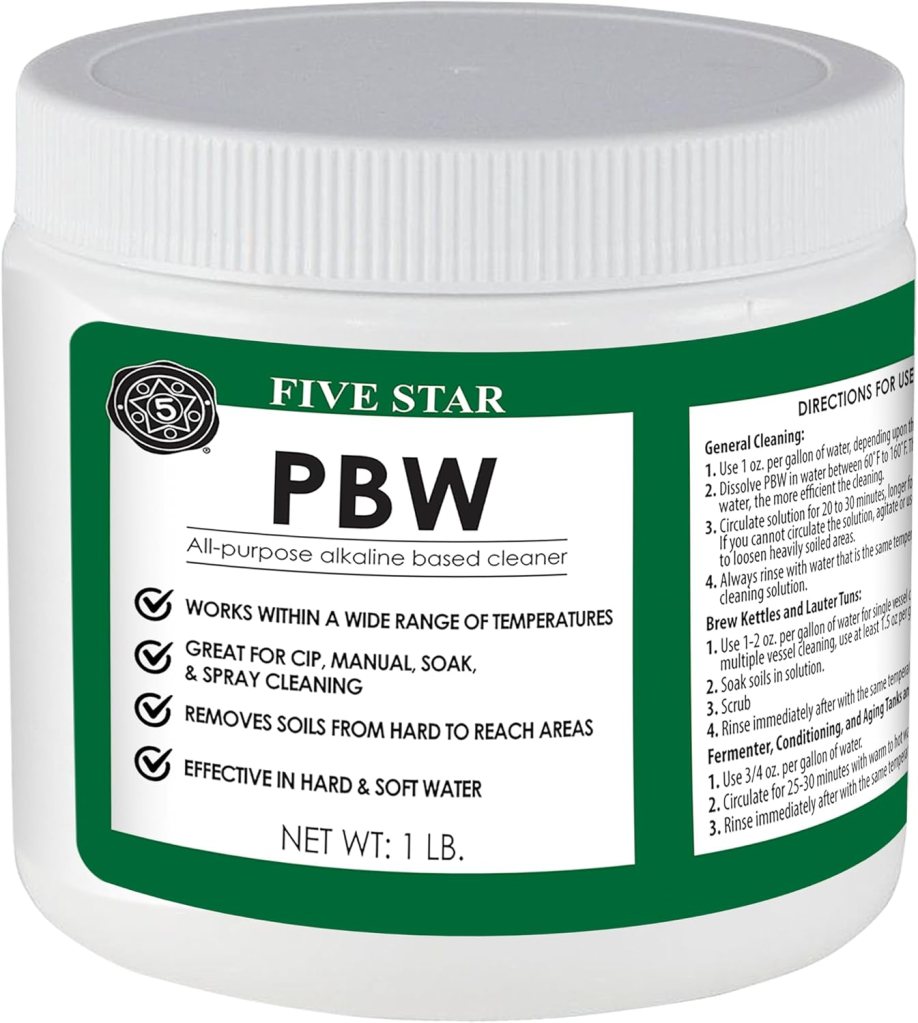
PBW Cleaner: This is used before you sanitize your equipment. Wash with PBW, fully rinse, and then sanitize. This is also excellent at removing labels from bottles! https://amzn.to/3PGPCfX
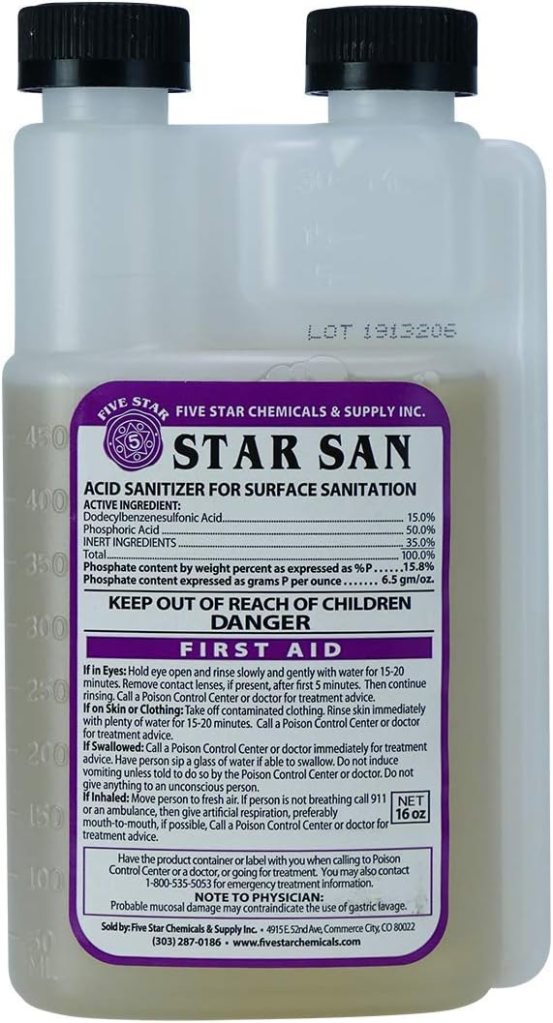
Starsan Sanitizer: The #1 recommended sanitizer for your brewing equipment. This is an absolute essential, it removes all bacteria and anything that could grow and infect your brew. This does not get washed off, the foam created is safe.
https://amzn.to/4jm12TO

Hydrometer & Graduated Cylinder: Essential for reading the starting and ending gravity to calculate your ABV. This is a great tool to read if your brew is finished fermenting.
https://amzn.to/4g3wUJY

FermaidO & GoFerm: You may purchase both of these items with this link. FermaidO is more essential than GoFerm, but both are for yeast health to avoid unwanted flavors and a healthy fermentation.
https://amzn.to/4gYOeRO
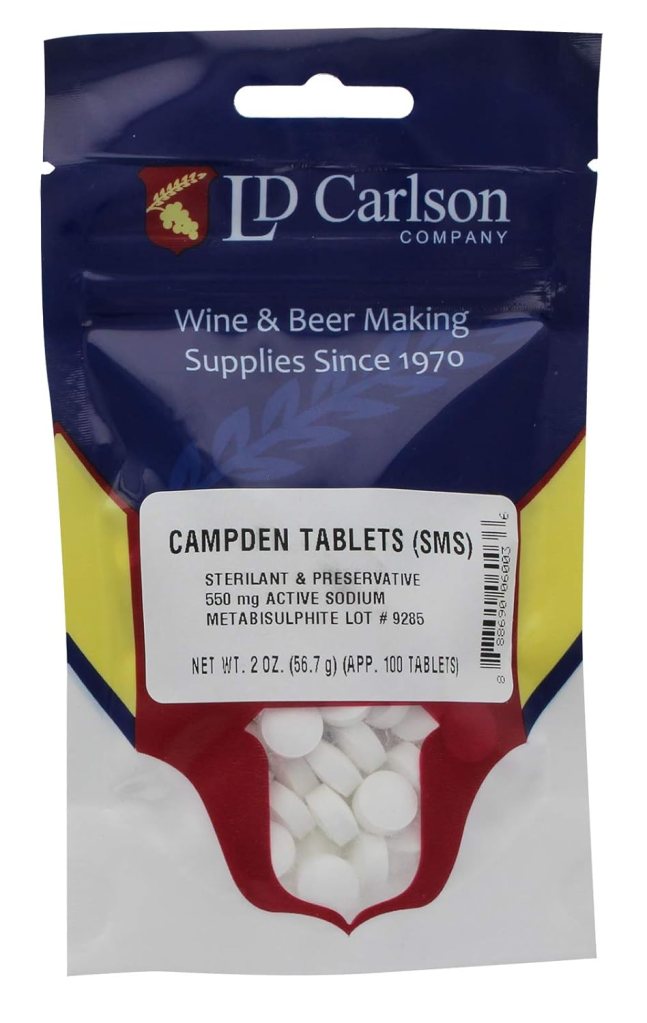
Campden Tablet (Stabilizer): If you are planning on back-sweetening then this is a must (unless you choose to pasteurize)
https://amzn.to/4gYOeRO
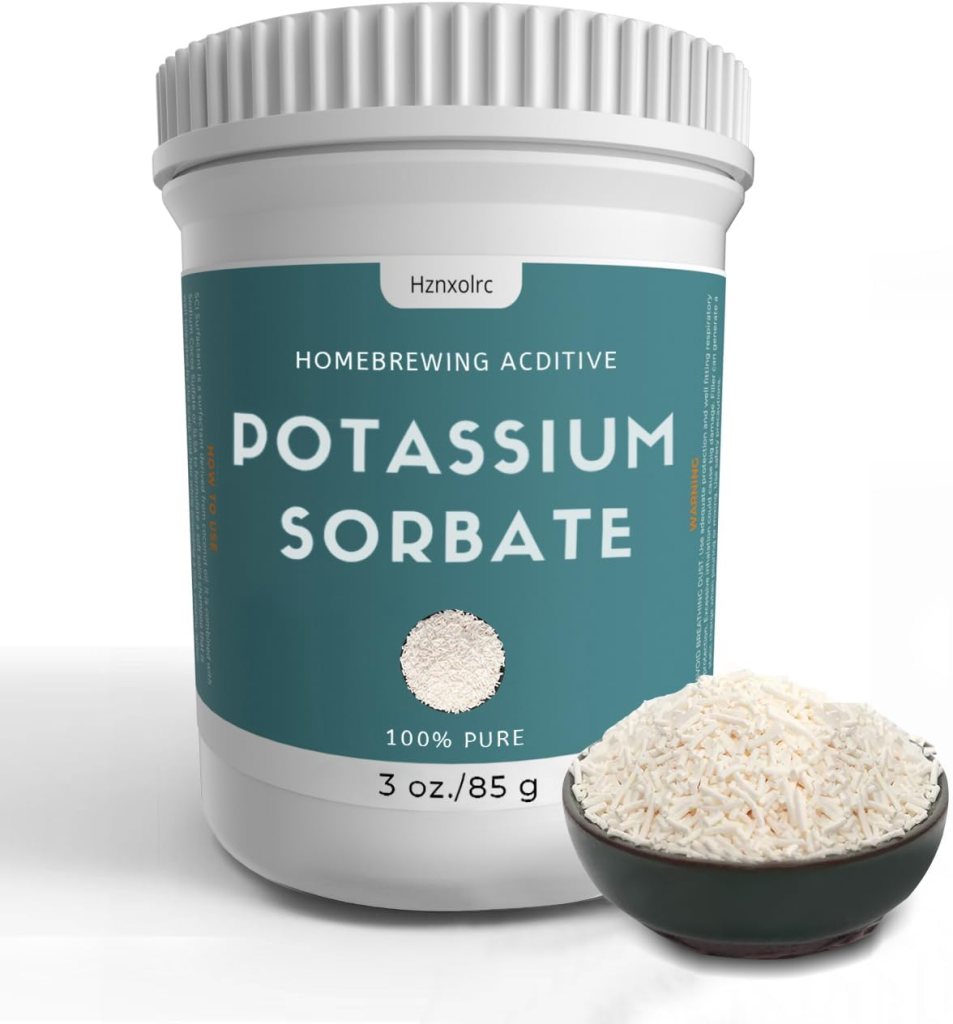
Potassium Sorbate (Preservative): Usually used in combination with a campden tablet, potassium sorbate is used to preserve color and aroma.
https://amzn.to/3C7rcZT
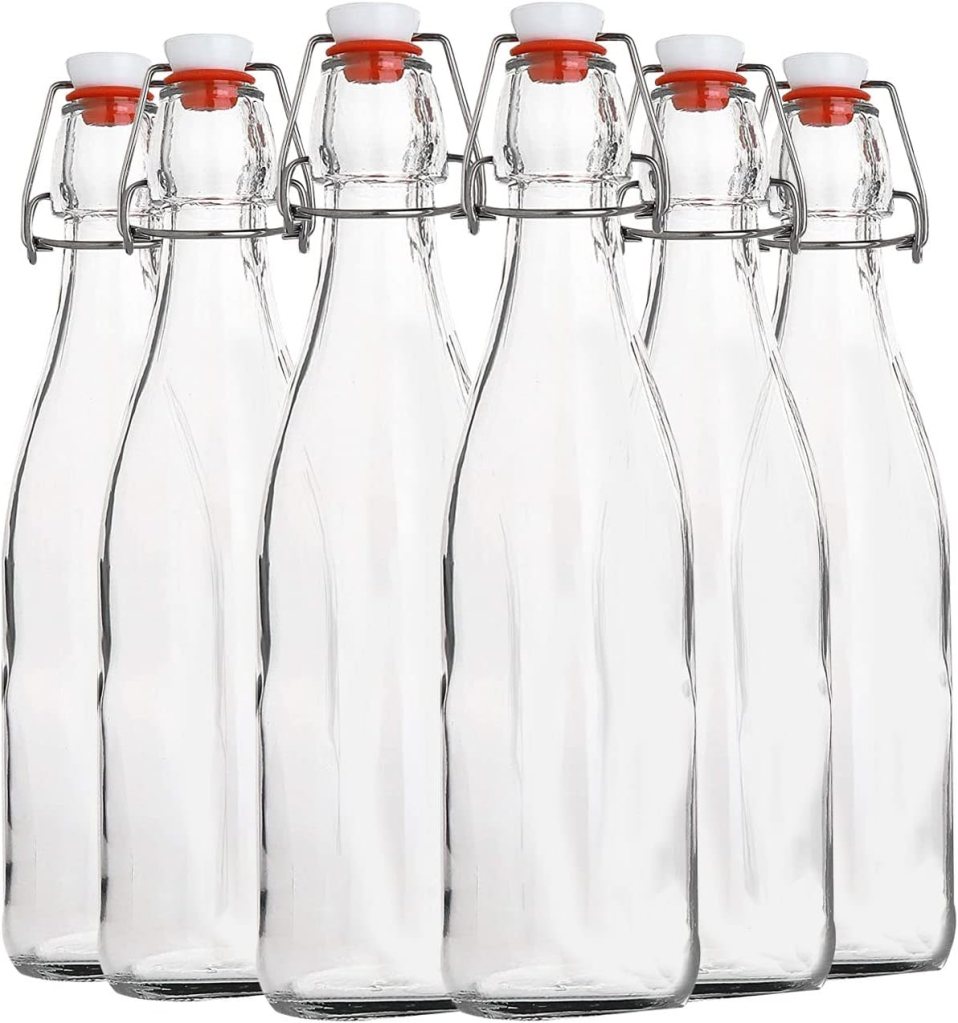
Flip Top Bottles: These 500ml flip tops are perfect for new brewers because they don’t require corks or caps and are reusable until the seals start to decay. (You may then purchase new seals and continue using the bottles)
https://amzn.to/4ajLqMy
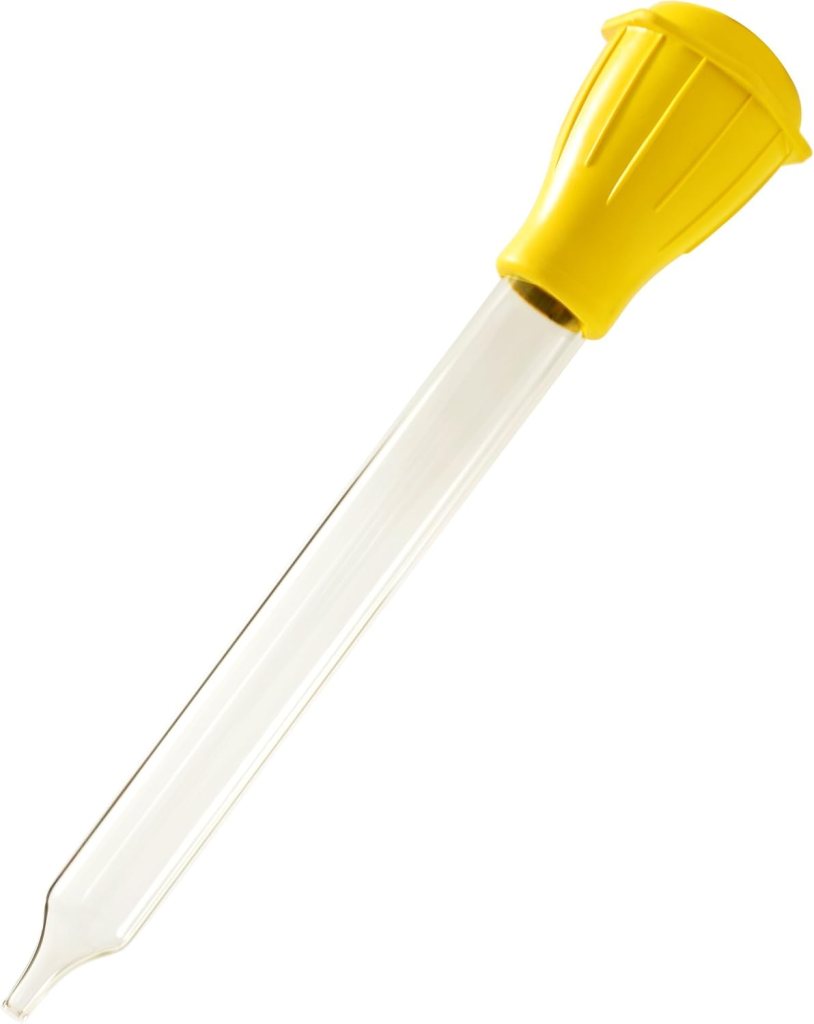
Wine Thief: Useful tool for removing small amounts of liquid for testing or tasting.
https://amzn.to/40l4Qfj

What NOT to Use!
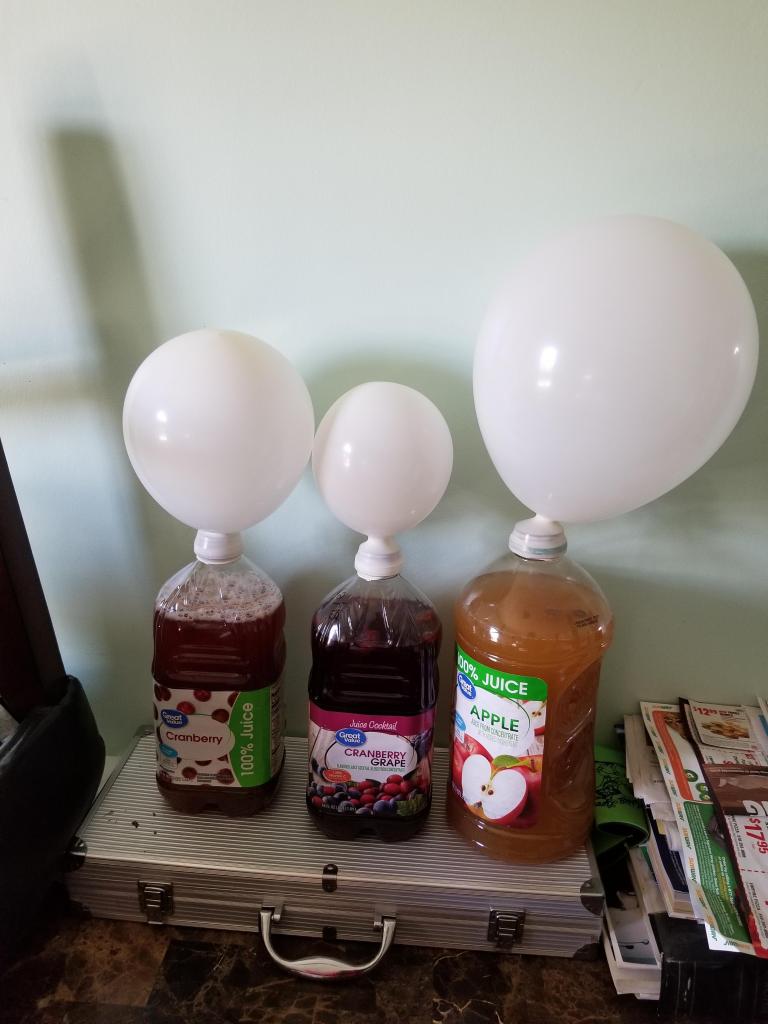
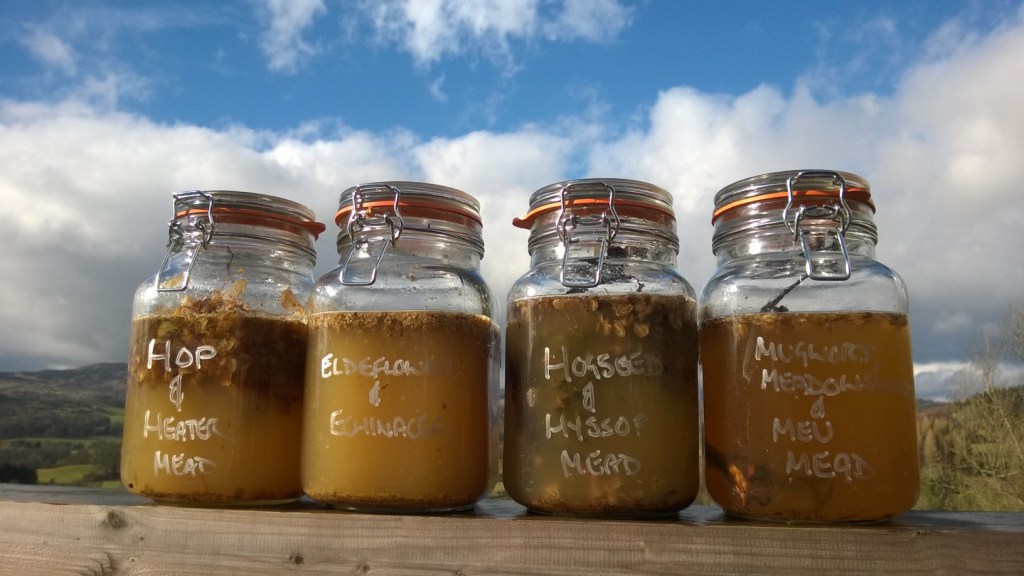
- Closed Mason Jars or Plastic Bottles
- People will alter their mason jars so they can fit an airlock in a lid. Beware of fermenting in anything that does not allow CO2 to escape or it may explode due to a build up of gas pressure.
- There are plastics that you may ferment in, but not plastic is made the same. I would not ferment in a juice container or anything that is not created with fermentation in mind.
- Balloons instead of an Airlock
- Balloons are not made of a food grade material, and during fermentation there will be a level of condensation build up within the balloon that may drip down into your beverage. Beware if you choose to go their route, an airlock costs under $2.
Things to Consider
Does your vessel allow air out, but not in?
How much contact to the air does your liquid have?
Are the items you’re using food grade?
Are the items you’re using made for fermentation?
 Faewood Mead